Note: This post is a web-adapted version of my formal project report. Hence, this may not be rendered perfectly. If you prefer the original format, you can view the PDF here
Abstract—Deploying deep learning models for real-time visual tasks like fruit ripeness classification in smart agriculture is challenging due to edge hardware constraints. This research presents an optimized lightweight object detection model for edge deployment, demonstrated through a tomato ripeness (ripe/unripe) case study using YOLOv11n. A baseline model trained on a combined dataset achieved ~74.5% [email protected]:0.95. Subsequent optimization focused on benchmarking various export formats and applying INT8 post-training quantization. Results showed that OpenVINO INT8 optimization delivered the best performance on a host CPU, achieving a ~4.3x inference speedup (~6.5ms latency) and a ~38% model size reduction (3.2MB) compared to the FP32 baseline, while maintaining accuracy at ~74.1% mAP with negligible degradation. This validated methodology yields an efficient model suitable for edge deployment on compatible hardware, demonstrating a practical path for implementing optimized visual intelligence in agricultural robotics.
Keywords—Computer Vision, Deep Learning, Object Detection, YOLO, Edge Computing, Model Quantization, Smart Agriculture, Ripeness Classification, Robotics, OpenVINO
Introduction
The farming industry is facing increasing calls to enhance productivity and sustainability amid challenges like shortages of labor and climate variability. New farming techniques, based on automation and insights from data analysis, offer promising solutions. Robotics, in particular, plays a pivotal role in automating tedious tasks such as selective harvesting, crop monitoring, and precision treatment applications. Advanced computer vision that can accurately recognize and analyze complex farming environments in real-time is a key factor in determining the efficacy of such robotic technologies.
One of the most important vision problems is the categorization of fruit and vegetables, particularly for assessing ripeness for robotic harvesting along with quality inspection tasks. Though conventional computer vision approaches founded on manually designed features such as texture and color have been investigated, they usually do not possess sufficient robustness
\[2\]to varying field conditions with uncertain lighting, occlusions, and biological variation. Deep learning, in the form of using Convolutional Neural Networks (CNNs) and object detection algorithms such as the YOLO (You Only Look Once)
\[1\]family, has been the preferred choice, providing greater accuracy and generalizability by learning features from the data itself.
Yet, the use of these sophisticated deep learning models comes with some challenges, specifically in the agricultural robotics context. Operations tend to take place in settings characterized by constrained or intermittent connectivity, hence the need for edge computing—where computation is directly on the robotic device or a local device. The necessity for real-time control loops in robot-to-robot communication also demands very low latency (below 100 milliseconds), which is hard to realize based on distant cloud servers. Edge devices themselves are also resource-constrained, with limited computational resources, memory, and energy budgets, creating a huge gap between the requirements of state-of-the-art deep learning models and the availability of deployable hardware.
This work directly tackles the problem of employing precise and speedy object detection models at the edge in smart agriculture. We report a step-by-step methodology utilizing the classification of tomato ripeness as a applicable and meaningful case study. Initially taking the Efficient YOLOv11n architecture, we first establish the baseline detection model trained on the merged, diversified dataset. The primary contribution lies in Phase 2, where we systematically assess and apply model optimization techniques exhaustively, with the emphasis on INT8 post-training quantization and examining the performance effects under various deployment settings, including OpenVINO. We aim to measure the inference speed, model size, and accuracy compromises and thereby determine an optimized setting that will be appropriate for achieving real-time performance on resource-scarce edge devices.
This study demonstrates an end-to-end workflow from baseline model development through edge-targeted optimization and benchmarking, deriving insights into successful deployment of deep learning-based computer vision for demanding agricultural use cases. The findings highlight the necessity of model quantization and hardware-aware optimization in bridging the gap between computationally intensive AI models and real-world edge deployment.
Related work
Traditional Feature-Based Approaches
Automatic fruit and vegetable recognition using computer vision has been an active area of research, driven by the needs of smart agriculture. Early approaches relied heavily on Traditional Feature-Based Methods. Color space-based methods (e.g., RGB, HSV), texture descriptors (e.g., GLCM, LBP), and shape analysis combined with classifiers like SVMs were common
\[2\]. While less computationally demanding, these methods suffered from a lack of robustness to lighting changes, shadows, and perspectives typical of field environments, and did not tend to generalize well to new environments. Multispectral imaging was also explored for quality assessment, enhancing the detection of invisible attributes but requiring specialized equipment.
Deep Learning Revolution in Agricultural Vision
The advent of Deep Learning, and in particular Convolutional Neural Networks (CNNs), revolutionized the field. Initial applications were mainly classification with networks like VGG
\[3\]achieving great accuracy on large datasets but generally requiring big computational resources not suited for edge deployment. Object detection models that both classify and localize gained traction. Both two-stage detectors (like Faster R-CNN) and one-stage detectors (like SSD and YOLO) were employed. Specialized CNNs were developed for specific orchard conditions, and work modified architectures like ResNet with Transfer Learning for tasks like field condition strawberry classification
\[4\]Transfer learning significantly reduces training requirements but does not directly solve the issue of model size for edge deployment.
Lightweight Models and Optimization for Edge Deployment
Recognizing the need for on-device processing, research shifted towards Edge AI solutions. This included the development of Lightweight Network Architectures that were specifically designed for mobile or embedded deployment, e.g., MobileNet
\[5\]and custom variants
\[6\]. While efficient, these architectures sometimes came with a trade-off in accuracy when compared to their larger counterparts. Architectures like EfficientNet attempted compound scaling for improved efficiency but may be sensitive to tuning. MobileNet has been demonstrated for on-device fruit detection, for instance in classifying strawberry and cherry types, sometimes highlighting challenges like partial occlusion..
\[8\] \[9\]Apart from designing light models from scratch, Model Optimization techniques became crucial to adapt heavy, pre-trained models to edge constraints. Pruning, knowledge distillation, and quantization (reducing numeric precision, e.g., from FP32 to INT8) are key techniques to reduce model size and inference time. Hardware-software co-design approaches also aim to tune performance on the target embedded platforms.
Specific Applications and Challenges in Agricultural Vision
In Agricultural-Specific Implementations, deep learning has been applied to a diverse set of problems including ripeness classification
\[7\], fruit recognition and disease detection combined
\[10\], yield estimation
\[11\], and tackling challenges like occlusion handling
\[12\]and illumination invariance.
Positioning of this Work
This project is founded on these pillars. It starts with a state-of-the-art one-stage detector family (YOLOv11n), using transfer learning for efficient baseline training on a specific, real-world task (tomato ripeness). Most critically, it is focused on bridging the gap to edge deployment not just through architecture choice (the 'n' variant), but via a systematic benchmarking and optimization process, specifically evaluating the impact of INT8 quantization on a variety of deployment formats (PyTorch, ONNX, OpenVINO, NCANN). By quantifying the trade-offs among speed, size, and accuracy, with special focus on OpenVINO INT8 success, this work provides real-world experience on achieving real-time performance on agricultural vision applications on resource-limited hardware.
Project Design and Architecture
The project was designed with a two-phase approach to systematically address the goal of developing an efficient vegetable classifier suitable for edge deployment, using tomato ripeness as a case study. The architecture encompasses data handling, baseline model development, optimization, and evaluation pipelines.
Overall Architecture
The system follows a sequential workflow.
Data Acquisition and Preparation: Gathering and preparing a suitable dataset for training and evaluation.
Phase 1 - Baseline Model Training: Developing an initial, functional object detection model using a chosen architecture (YOLOv11n) and standard deep learning practices
Phase 2 - Edge Optimization and Benchmarking: Taking the baseline model and applying optimization techniques (quantization) and testing various deployment formats to improve speed and reduce size while measuring the impact on accuracy.
Evaluation: Assessing performance at both phases using relevant metrics for accuracy and edge suitability (speed, size).
Data Pipeline
Data Sources: The project utilized a composite dataset created by combining images from two public sources:
Roboflow (Kyunghee University Tomato Detection)
\[13\]: Provided diverse scenes with varied lighting (Figure 1), suitable for robust object detection training
Kaggle (Riped and Unriped Tomato Dataset)
\[14\]: Offered clear examples (Figure 2) specifically focused on the ripe and unripe classification states
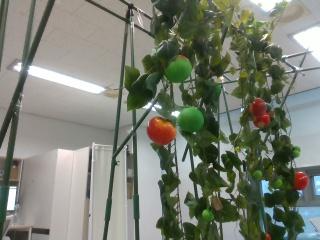 Figure 1: Example from Kyunghee University
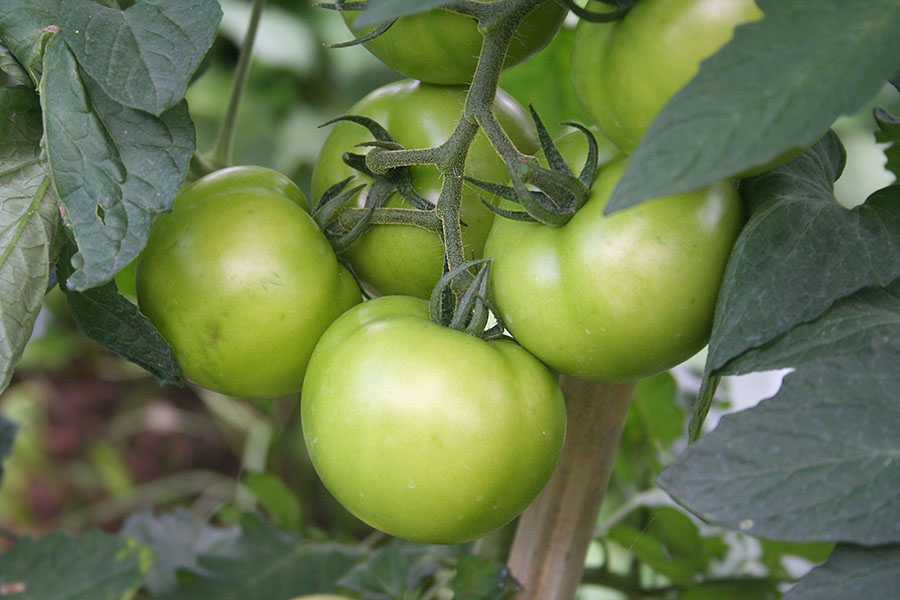 Figure 2: Example from Kaggle Dataset
Preprocessing & Annotation: Images were processed, and annotations were unified into the standard YOLO format (class_id center_x center_y width height). Two classes were defined: 0: unripe, 1: ripe.
Dataset Composition: The final combined dataset comprised 1489 images containing 1520 unripe and 582 ripe tomato instances.
Splitting: A stratified split allocated the data into training (905 images), validation (290 images), and testing (289 images) sets to ensure representative class distribution for reliable model training and evaluation.
Phase 1: Baseline Model Architecture & Training
Model Selection: The YOLOv11n architecture was selected as the baseline. The 'n' (nano) variant was specifically chosen for its design emphasis on computational efficiency and low resource requirements (2.6M parameters, 6.5B FLOPs), aligning with the ultimate edge deployment goal.
Training Strategy:
Transfer Learning: The model was initialized with weights pre-trained on the COCO dataset to accelerate convergence and leverage general object features.
Finetuning: The pre-trained model was finetuned on the custom combined tomato dataset for 100 epochs using a batch size of 32, employing an AdamW optimizer followed by SGD, and a OneCycleLR learning rate schedule.
Data Augmentation: Extensive augmentation (geometric transforms like rotation, scaling, translation, flip; photometric adjustments like HSV modification; and mosaic composition) was applied during training to enhance model robustness and generalization.
Phase 2: Edge Optimization & Benchmarking Pipeline
Objective: To convert the baseline model into an edge-ready format, optimizing for speed and size while minimizing accuracy loss.
Workflow:
Baseline Benchmarking: The trained PyTorch FP32 model's inference speed (latency/FPS) and file size were measured on the host CPU (Intel Core i9-10920X).
Format Export: The model was exported to various intermediate and deployment formats: ONNX, OpenVINO, and NCNN.
Quantization: Post-Training Quantization (PTQ) to INT8 precision was applied, primarily focusing on the successful implementation via the OpenVINO toolkit. Different precision exports (FP32, FP16) were also tested where applicable. \[Figure 3\]
Optimized Benchmarking: Each successfully converted/quantized model's inference speed (latency/FPS), file size, and accuracy (mAP) were measured on the same host CPU.
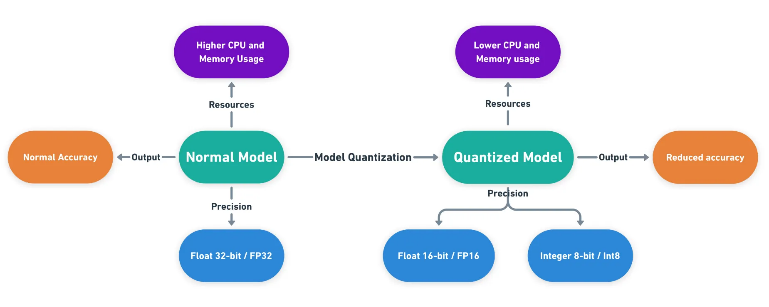 Figure 3:Model Quantization
(https://medium.com/@sulavstha007/quantizing-yolo-v8-models-34c39a2c10e2)
Figure 3:Model Quantization
(https://medium.com/@sulavstha007/quantizing-yolo-v8-models-34c39a2c10e2)
Evaluation Framework
Phase 1 Metrics: Standard object detection metrics were used: [email protected]:0.95 (primary), [email protected], Precision, Recall, and F1-score analysis.
Phase 2 Metrics: Focus shifted to edge-critical metrics: Inference Latency (ms) / FPS, Model Size (MB), and the change/trade-off in mAP accuracy compared to the FP32 baseline.
Target Deployment Environment (Conceptual)
Goal: The system is designed conceptually for deployment on resource-constrained edge devices typical in robotics (e.g., NVIDIA Jetson series, Intel Movidius VPUs, ARM-based systems like Raspberry Pi).
Simulation: Performance evaluation (speed, effect of quantization) was conducted on a host CPU (Intel Core i9) as a proxy to compare relative performance differences between formats and optimizations. The results inform which formats (e.g., OpenVINO for Intel targets, potentially NCNN/TFLite for ARM targets) are most promising for specific hardware
Implementation and evaliation of proposed approach
This section details the implementation steps and evaluates the performance of the developed system across its two primary phases: baseline model development and edge optimization.
Implementation Eviornment and Tools
The project was implemented using Python 3.9. Key libraries included:
Deep Learning Framework: PyTorch, primarily utilized through the Ultralytics YOLO framework.
Optimization & Deployment Toolkits: ONNX, ONNX Runtime, Intel's OpenVINO toolkit, and Tencent's NCNN were used for model export, quantization, and benchmarking.
Data Handling & Visualization: OpenCV for image processing, NumPy and Pandas for data manipulation, Matplotlib and Seaborn for generating plots (like those shown in the results slides).
Hardware: Training was accelerated using an NVIDIA GPU
\[NVIDIA GeForce RTX 2080 Ti\]. Benchmarking for Phase 2 (CPU performance) was conducted on an Intel® Core i9-10920X CPU @ 3.50GHz.
Phase 1: Baseline Model Implementation and Evaluation
Implementation:
Following the methodology, the YOLOv11n model was implemented via the Ultralytics framework, initialized with COCO pre-trained weights (transfer learning), and finetuned on the custom combined tomato dataset (1489 images, ~2100 instances, split ~70/15/15 train/val/test). Training ran for 100 epochs (batch size 32) with specified optimizers and extensive data augmentation (geometric, photometric, mosaic) to enhance robustness.
Evaluation:
The baseline YOLOv11n model's performance was evaluated on the held-out test set.
Quantitative Results: Key performance metrics are summarized in Table I. The model achieved strong detection results, including ~74.3% [email protected]:0.95 and ~95.5% [email protected], with balanced Precision (~94.1%) and Recall (~90.7%).
Table I: Baseline YOLOv11n Performance Metrics on Tomato Test Set.
Metric Value Notes
[email protected]:.95 IoU 0.74263 Overall detection quality
mAP @ 0.5 IoU 0.95548 Detection quality at 50% overlap
Precision (B) 0.94069 Accuracy of positive detections
Recall (B) 0.90701 Ability to find all ground truth objects
F1-Score & Classification Analysis: Analysis of the F1-Confidence curve (Figure 4) showed a peak F1 of ~0.92. The confusion matrix, presented in Figure 5, confirmed excellent differentiation between 'ripe' and 'unripe' classes (>93% accuracy within detections).
Area for Improvement: As seen in Fig. 5, the primary limitation identified was the misclassification of a small percentage (~5-6%) of actual tomatoes as 'background', indicating potential for improving detection sensitivity. For our project that not a big problem because we are targeting high true positive for ripe cases because that’s what is most relevant for “Automatic Harvesting”.
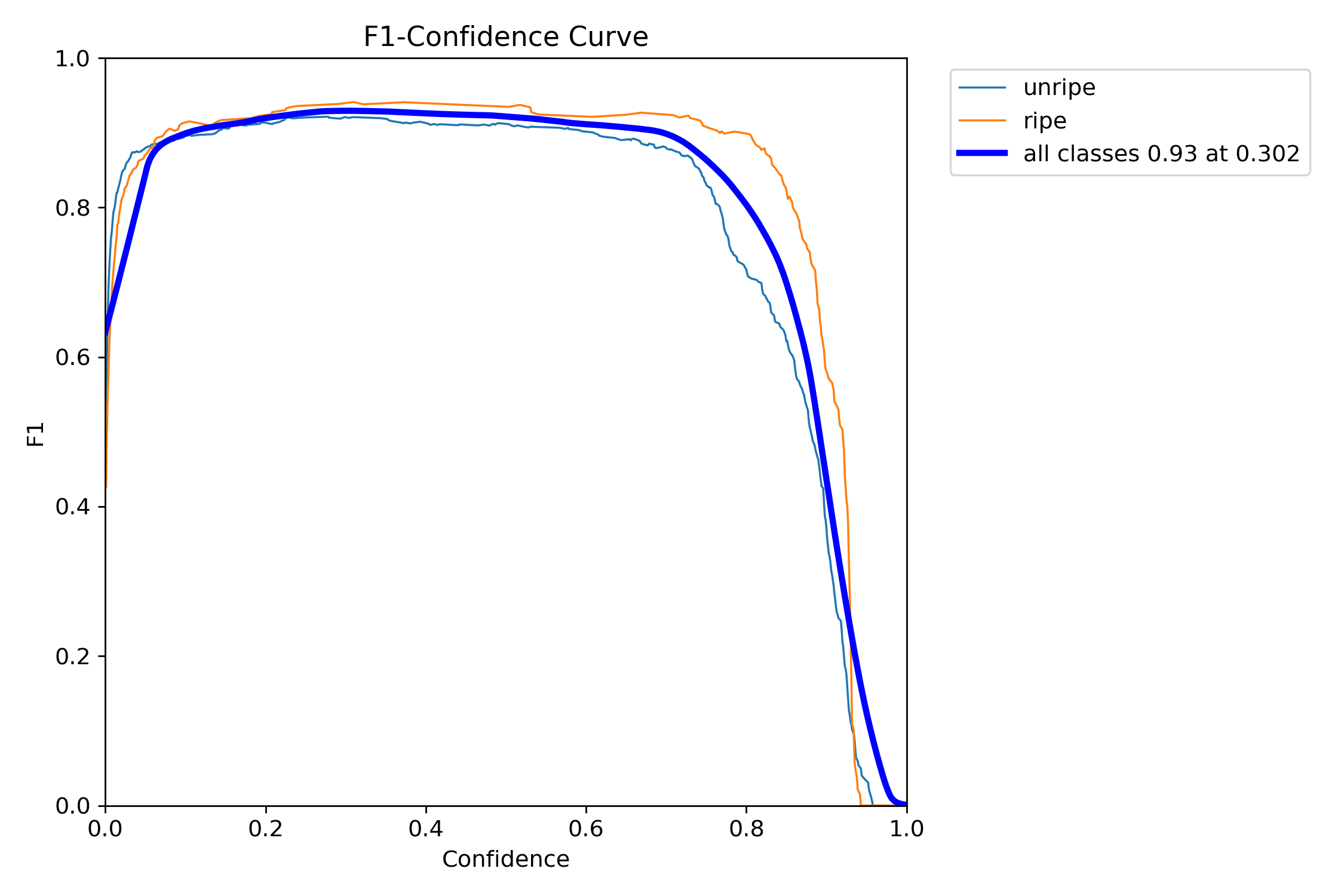 Figure 4: Baseline F1 Curve
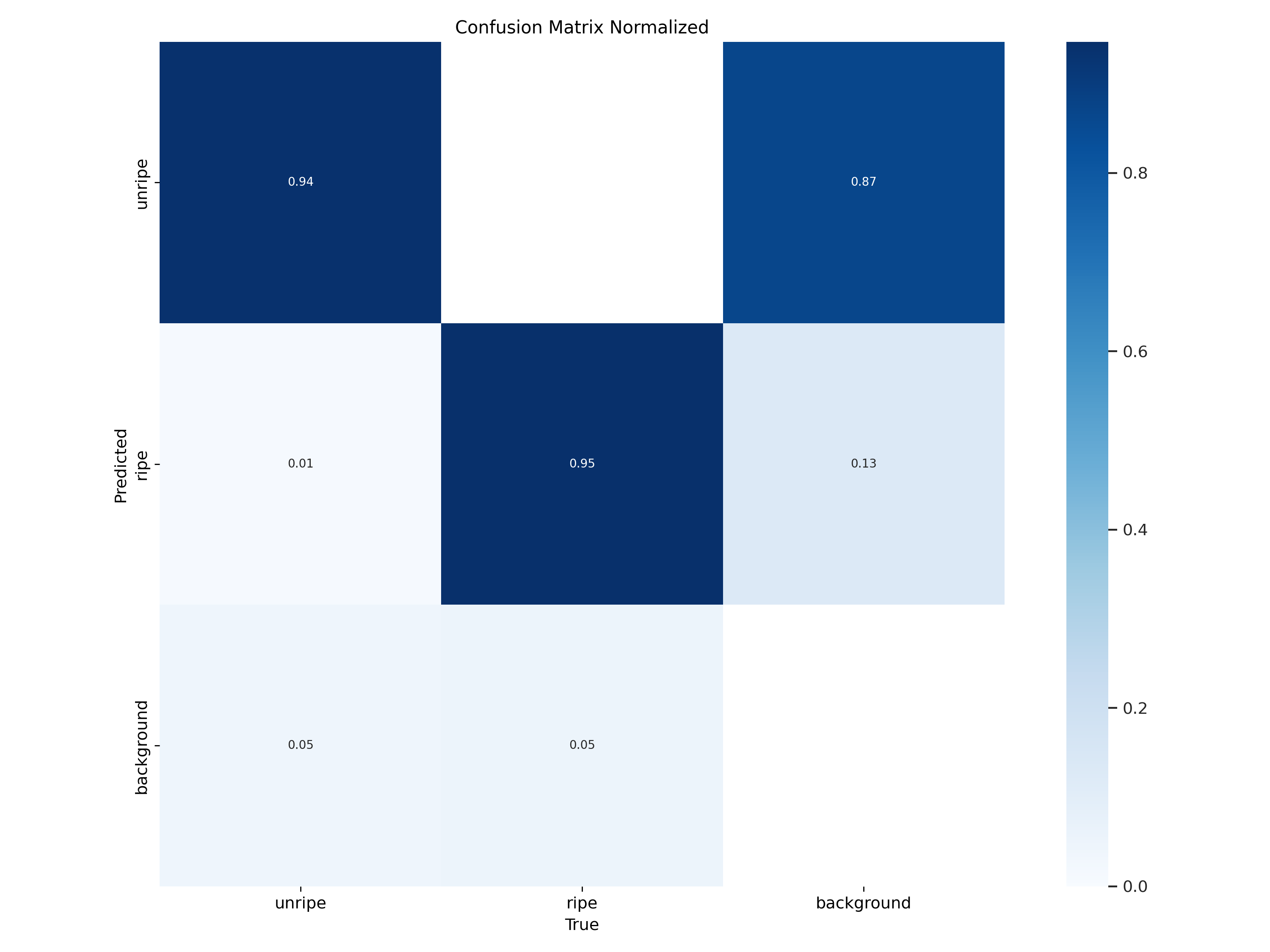 Figure 5: Confusion Matrix (Normalized)
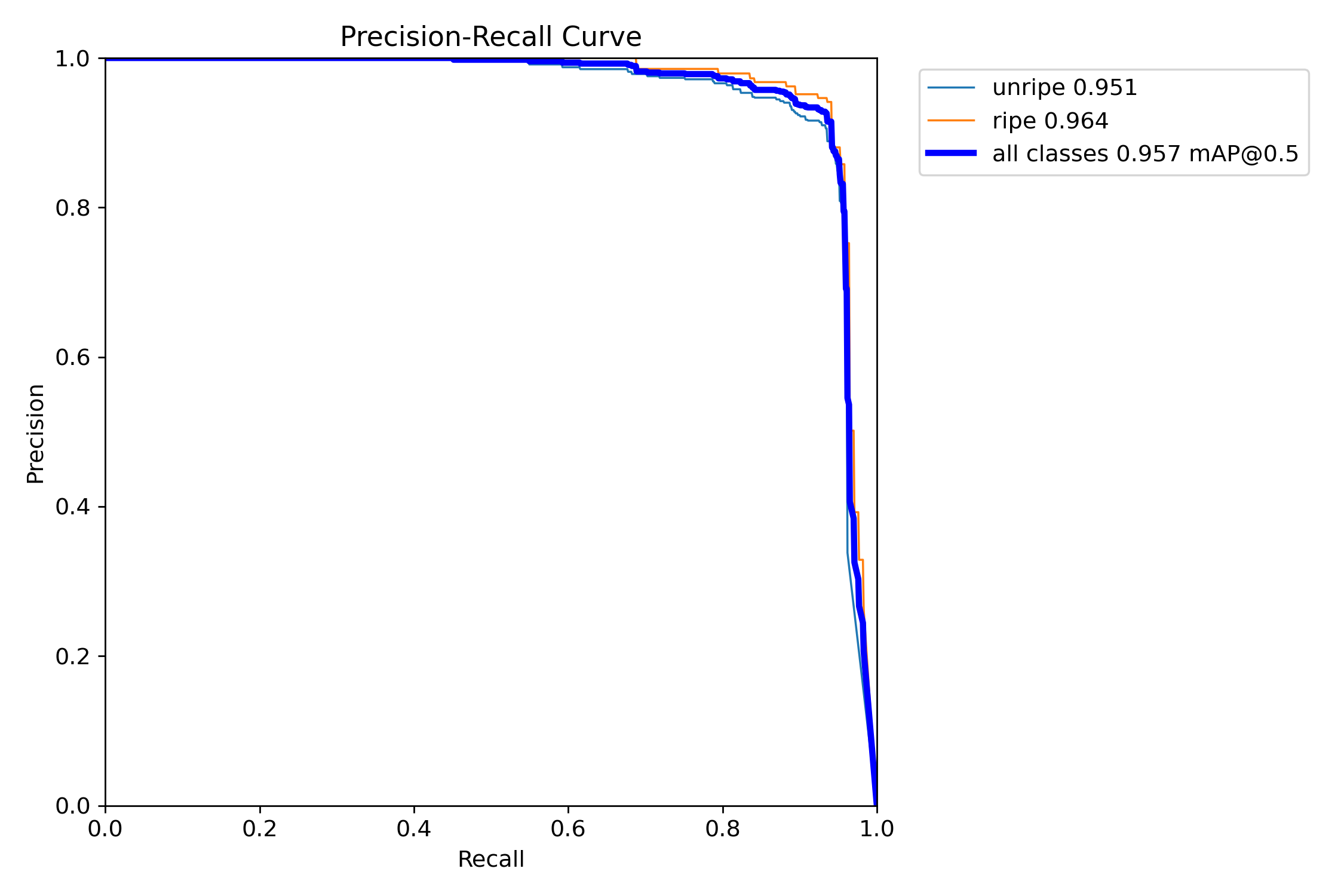
Figure 6: PR Curve
- Qualitative Assessment: Visual inspection of predictions, shown in Fig. 7&8, illustrated the model's general capability in various scenes but also highlighted challenges like confidence variance and potential edge cases (e.g., borderline ripeness), reinforcing the need for careful threshold selection.
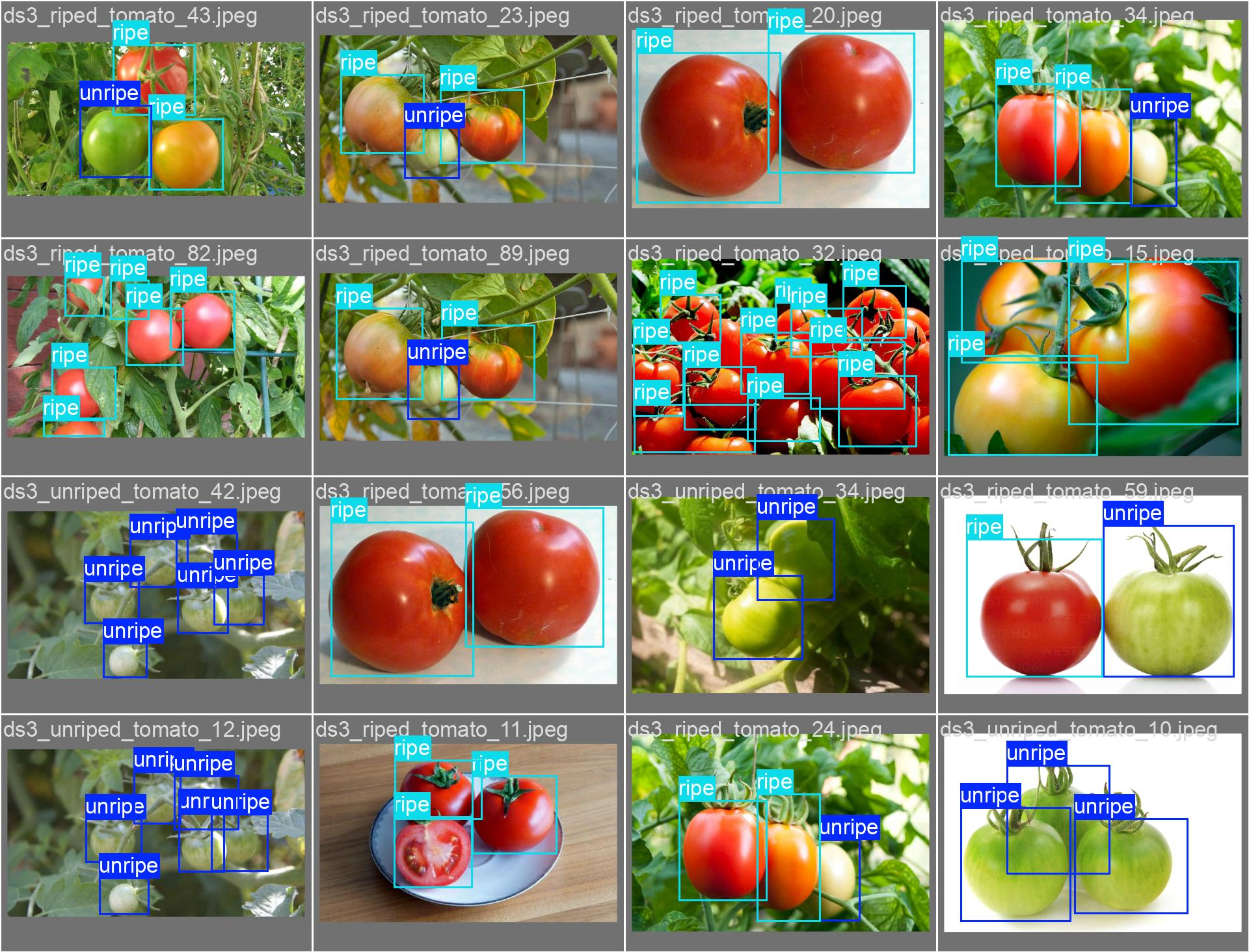
Figure 7: Ground Truths
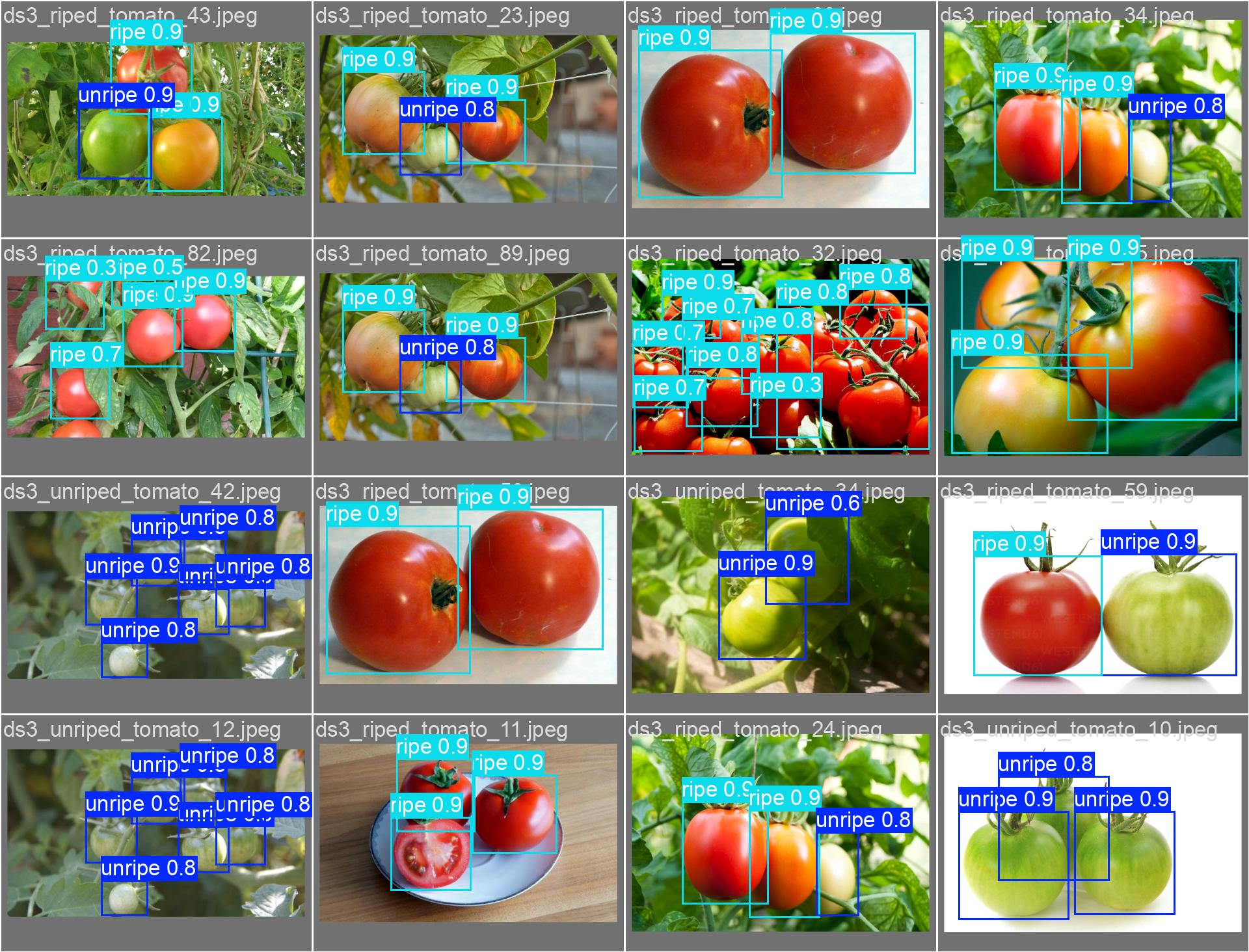
Baseline Edge Assessment:
The baseline PyTorch model (5.2 MB) had a CPU inference latency of ~27.7 ms (~36 FPS) on the test CPU. This highlighted the need for optimization to meet real-time requirements reliably on typical edge hardware.
Phase 2: Edge Optimization Implementation and Evaluation
Implementation:
Phase 2 focused on converting and optimizing the baseline model for edge deployment. The PyTorch model was exported to ONNX, OpenVINO IR, and NCNN formats (FP32/FP16 where applicable). Post-Training Quantization (PTQ) to INT8 precision was primarily implemented and evaluated using the Intel OpenVINO toolkit.
Evaluation:
Systematic benchmarking on the host CPU compared the different versions.
- Quantitative Results (Comparison)
The results clearly show the effectiveness of specific strategies. OpenVINO models consistently outperformed others on the Intel CPU. The OpenVINO INT8 model delivered the best overall performance (Table II), achieving:
Lowest Latency: ~6.5ms (~154 FPS)
Significant Speedup: ~4.3x faster than the Pytorch Baseline
Smallest Size: 3.2MB (~38% reduction)
Preserved Accuracy: ~74.1% mAP, negligible drop from baseline
Table II: Baseline YOLOv11n Performance Metrics on Tomato Test Set.
Format Precision INT8 Size (MB) CPU CPU FPS mAP @ .5:.95 Latency
(ms)PyTorch FP32 No 10.1 MB ~31.5 ms ~32 FPS ~74.1%
ONNX FP32 No 10.1 MB ~31.5 ms ~32 FPS ~74.1%
ONNX FP16 FP16 10.1 MB ~29.3 ms ~34 FPS ~74.1%
Open-VINO FP32 No 10.2 MB ~9.0 ms ~112 FPS ~74.1%
Open-VINO FP16 No 5.4 MB ~14.6 ms ~69 FPS ~74.1%
Open-VINO FP32 Yes 3.2 MB ~6.5 ~154 ~74.1% ms FPS
NCNN FP16 No 5.1 MB ~36.7 ms ~27 FPS ~74.1%
Hardware Specificity Discussion:
The dominance of OpenVINO here highlights the benefit of hardware-specific toolkits (Intel CPU). The relative performance of formats like NCNN may differ significantly on ARM-based edge targets, necessitating target-specific testing.
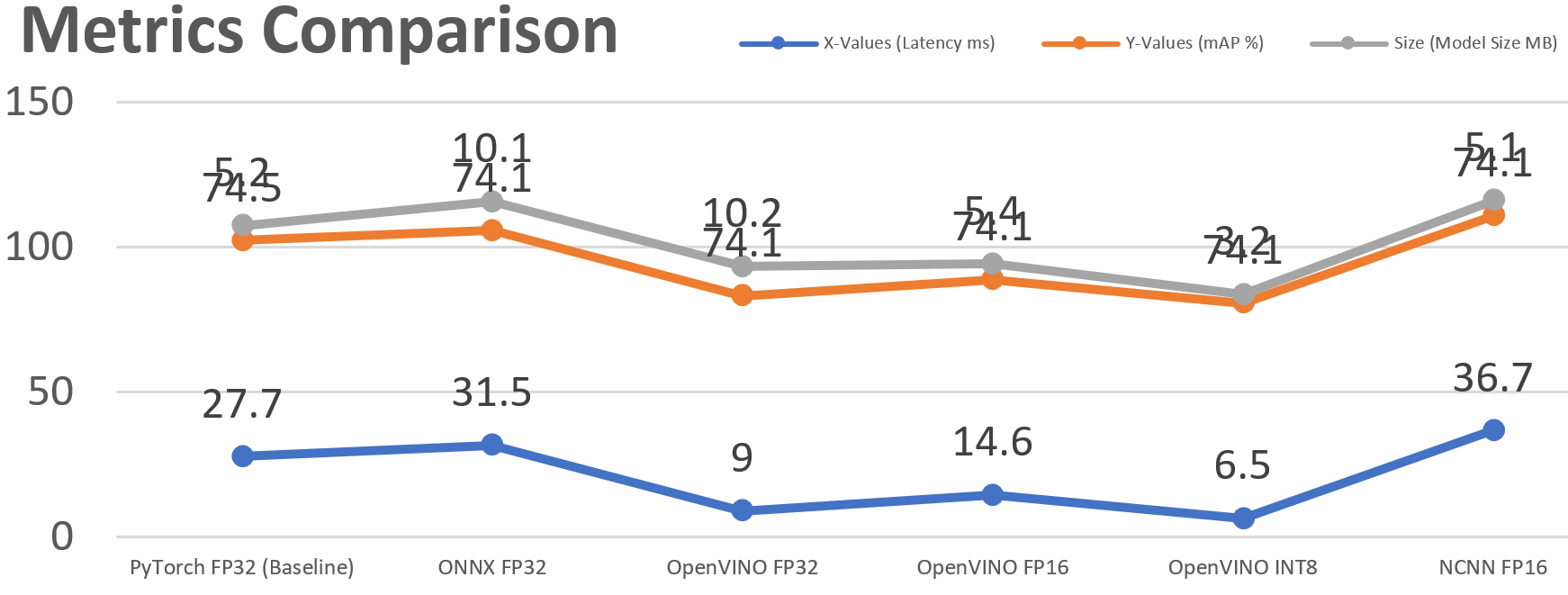
Figure 9: Performance Comparison of YOLOv11n Across Formats and Optimizations
Deployment Visualization:
Fig. 10 provides a visual comparison of the model running in a simulated video context. While the reported CPU inference time (~11.8 ms) includes video processing overheads (making it higher than the raw benchmark in Table II), it demonstrates the optimized model's functional output quality compared to the GPU baseline.
Figure 10:Caption: Visual Comparison of GPU vs Optimized CPU (OpenVINO INT8) Predictions in a Video Context (Note: CPU timing includes video overhead).
Overall Evaluation Summary:
The two-phase approach successfully developed and optimized a YOLOv11n model for tomato ripeness detection. Phase 1 validated the baseline accuracy (~74.3% mAP). Phase 2 demonstrated that OpenVINO INT8 quantization provided significant speed (~4.3x) and size (~38%) improvements with minimal accuracy loss on the test hardware, resulting in a model (3.2 MB, ~6.5ms latency) highly suitable for deployment on compatible edge platforms. The study validates a practical workflow for optimizing object detectors for edge applications in smart agriculture.
Conclusion and discussion
This project aimed to address the critical challenge of deploying accurate and efficient deep learning models for fruit and vegetable classification on resource-constrained edge devices, a key enabler for smart agriculture and robotic automation. Using tomato ripeness detection as a practical case study, we demonstrated a systematic two-phase approach, starting with establishing a robust baseline model and culminating in significant performance optimization for edge suitability.
Summary of Findings
The initial phase confirmed the viability of using a recent, highly effective object detector, YOLOv11n, on the problem. Trained by transfer learning on an aggregated dataset for diversity, the baseline model worked well, with its accuracy achieving around 74.3% [email protected]:0.95 and being extremely accurate (>93%) in distinguishing between ripe and unripe tomatoes, asserting the baseline detection and classification capability. However, its inference latency on a typical CPU (~27.7 ms) and model size (5.2 MB) offered potential limits for real-time deployment on typical edge hardware.
The second phase focused exclusively on edge optimization through benchmarking various export formats and post-training INT8 quantization. The results clearly showed the advantages of using hardware-aware toolkits. Notably, using the Intel OpenVINO toolkit and INT8 quantization produced significant gains on the Intel Core i9 test CPU. This new configuration reduced inference latency by a staggering ~6.5 ms (a ~4.3x speedup), reduced model size by ~38% to 3.2 MB, and crucially preserved the model's accuracy (~74.1% mAP) with negligible degradation. This outcome represents an extremely appealing balance achieved in the accuracy-speed-size trade-off.
Discussion and Implications
The initial phase confirmed the viability
Edge AI Viability: The dramatic acceleration and size reduction accomplished with optimization make the model shift from a borderline prospect to one highly well-suited for real-time running on suitable edge hardware. The capability to achieve inference rates potentially above 150 FPS (on the host CPU) leaves ample headroom for taxing robotic tasks requiring rapid visual feedback.
Necessity for Post-Training Optimization: This study emphasizes that the selection of a good base architecture (e.g., YOLOv11n) is only the first step. Targeted post-training optimization, particularly quantization, is often required to meet edge hardware's high-performance needs without losing too much in accuracy. The minimal accuracy loss observed with OpenVINO INT8 demonstrates the power of current quantization techniques when used appropriately.
Hardware-Software Co-dependency: OpenVINO's improved performance on the Intel test CPU also highlights the key co-dependency between the hardware architecture and the software toolkit. This would quite strongly indicate that optimizing for maximum performance on a range of edge platforms (for example, ARM-based hardware like Raspberry Pi or Jetson, or specialized accelerators like Google Coral) would likely involve benchmarking and perhaps using different optimization toolkits (for example, TensorFlow Lite, NCNN, NVIDIA TensorRT) specifically optimized for that given hardware. A "one-size-fits-all" export format may not offer the best result across different edge targets.
Practical Workflow Validation: The project successfully demonstrated an end-to-end workflow: from data gathering and baseline training to systematic benchmarking, optimization, and testing with edge-specific metrics in mind. Such a workflow can serve as a template for similar deployment work in agricultural vision.
Limitations
Despite the positive results, several limitations should be acknowledged. Firstly, all performance benchmarks (latency, FPS) were conducted on a host CPU as a proxy for edge devices; performance on actual, less powerful edge hardware needs direct verification. Secondly, while the dataset was combined for diversity, real-world agricultural environments present immense variability in lighting, weather, occlusions, and crop varieties that may not have been fully captured, potentially affecting generalization. Thirdly, the baseline evaluation identified minor issues with background misclassifications, which were not the primary focus of the optimization phase but would need addressing for maximum reliability in production.
Conclusion
In conclusion, this paper was able to optimally design and optimize a YOLOv11n model for efficient tomato ripeness classification suitable for edge deployment. Through the strict use of INT8 quantization through the OpenVINO toolset, inference performance and model size improvements were highly achieved while maintaining high accuracy. This demonstrates the applicability and usefulness of post-training optimization towards the enablement of real-time deep learning on constrained hardware in smart agriculture. The proposed methodology provides an applied means for researchers and practitioners to utilize cutting-edge computer vision ability in the field directly. The application lays the foundation for more intelligent and autonomous agricultural systems. Validation on target edge hardware and extension to more crops and classification tasks is the path ahead.
ACKNOWLEDGMENT
Sincere appreciation is extended to Professor Sanghoon Lee, instructor for the MSCS Machine Vision course. His instructions and support were invaluable throughout the execution of this project.
References
A. Wang et al., “YOLOv10: Real-Time End-to-End Object Detection,” May 2024. Available: https://arxiv.org/pdf/2405.14458
S. Arivazhagan, R. Newlin Shebiah, S.S. Nidhyanandhan, and L. Ganesan, “Fruit Recognition using Color and Texture Features,” Fruit Recognition using Color and Texture Features, vol. 1, no. 2, pp. 90–94, Oct. 2010, Available: https://www.researchgate.net/publication/286181643_Fruit_Recognition_using_Color_and_Texture_Features
H. Mureşan and M. Oltean, “Fruit recognition from images using deep learning,” arXiv.org, 2017. https://arxiv.org/abs/1712.00580v10 (accessed Apr. 27, 2025).
J. Steinbrener, K. Posch, and R. Leitner, “Hyperspectral fruit and vegetable classification using convolutional neural networks,” Computers and Electronics in Agriculture, vol. 162, no. C, pp. 364–372, Jul. 2019, doi: https://doi.org/10.1016/j.compag.2019.04.019.
A. G. Howard et al., “MobileNets: Efficient Convolutional Neural Networks for Mobile Vision Applications,” arXiv.org, Apr. 17, 2017. https://arxiv.org/abs/1704.04861
Y. Tian, G. Yang, Z. Wang, H. Wang, and E. Li, “Apple detection during different growth stages in orchards using the improved YOLO-V3 model,” Elsevier.com, Feb. 2019. https://linkinghub.elsevier.com/retrieve/pii/S016816991831528X (accessed Apr. 27, 2025).
E. Tapia-Mendez, I. A. Cruz-Albarran, S. Tovar-Arriaga, and L. A. Morales-Hernandez, “Deep Learning-Based Method for Classification and Ripeness Assessment of Fruits and Vegetables,” Applied Sciences, vol. 13, no. 22, p. 12504, Jan. 2023, doi: https://doi.org/10.3390/app132212504.
T. B. Shahi, C. Sitaula, A. Neupane, and W. Guo, “Fruit classification using attention-based MobileNetV2 for industrial applications,” PLOS ONE, vol. 17, no. 2, p. e0264586, Feb. 2022, doi: https://doi.org/10.1371/journal.pone.0264586.
N. Venkatesh, Nagaraju Y, S. U. Hegde, and Stalin S, “Fine-tuned MobileNet Classifier for Classification of Strawberry and Cherry Fruit Types,” 2022 International Conference on Computer Communication and Informatics (ICCCI), pp. 1–8, Jan. 2021, doi: https://doi.org/10.1109/iccci50826.2021.9402444.
A. Fuentes, S. Yoon, S. Kim, and D. Park, “A Robust Deep-Learning-Based Detector for Real-Time Tomato Plant Diseases and Pests Recognition,” Sensors, vol. 17, no. 9, p. 2022, Sep. 2017, doi: https://doi.org/10.3390/s17092022.
S. W. Chen et al., “Counting Apples and Oranges With Deep Learning: A Data-Driven Approach,” IEEE Robotics and Automation Letters, vol. 2, no. 2, pp. 781–788, Apr. 2017, doi: https://doi.org/10.1109/lra.2017.2651944.
Z. Chen, K. Granland, Y. Tang, and C. Chen, “HOB-CNNv2: Deep learning based detection of extremely occluded tree branches and reference to the dominant tree image,” Computers and Electronics in Agriculture, vol. 218, p. 108727, Mar. 2024, doi: https://doi.org/10.1016/j.compag.2024.108727.
KyungHee Univercity, “Tomato_detetion_yolo Dataset,” Roboflow, Feb. 2025. https://universe.roboflow.com/kyunghee-univercity/tomato_detetion_yolo (accessed Apr. 26, 2025).
Suman Kunwar, “Ripe and Unripe Tomatoes Dataset,” Kaggle.com, 2024. https://www.kaggle.com/dsv/8796473 (accessed Apr. 27, 2025).